
Elbow 45° Fittings
High-performance pipe fittings designed for efficient directional changes with minimal pressure loss.
Product Overview
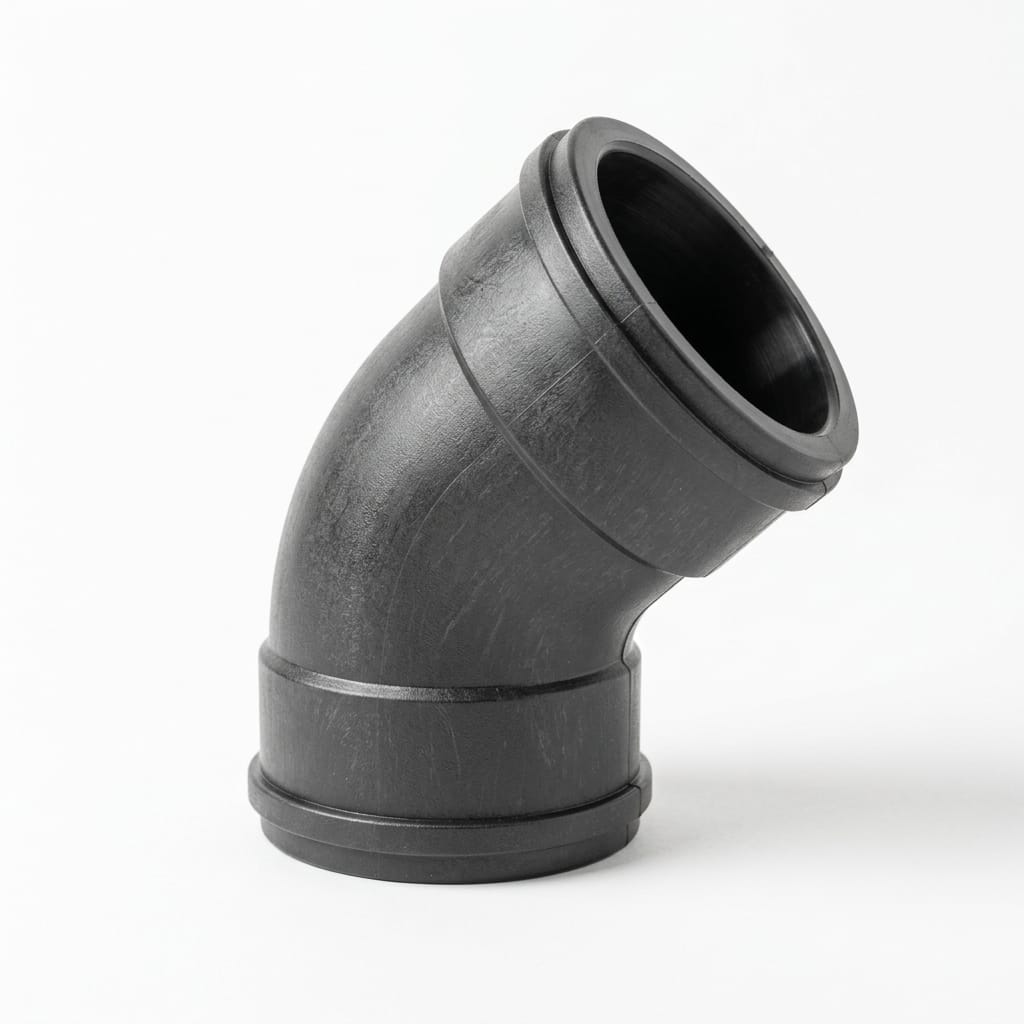
At 5Dragon Construction Corp, we provide the essential building blocks for efficient, long-lasting fluid transport systems. Our 45° Elbow fittings are precision-engineered to offer a secure, seamless, and highly efficient method to alter the direction of your piping network. In complex plumbing, drainage, and industrial fluid systems, the angle of the turn dictates the internal stress and hydraulic efficiency of the entire network. Compared to sharp 90-degree turns—which cause significant turbulence, cavitation, and friction—the gentler sweep of a 45-degree elbow drastically reduces pressure drop, preserving the pumping energy required to move liquids and suspended solids.
We manufacture and supply 45° elbows in a comprehensive variety of premium materials, including High-Density Polyethylene (HDPE), unplasticized Polyvinyl Chloride (uPVC), and Polypropylene Random Copolymer (PPR). This extensive material selection ensures that regardless of whether you are building a municipal potable water main, a high-temperature commercial HVAC system, or a heavy-duty industrial chemical discharge line, our fittings will integrate flawlessly. Each fitting is injection-molded under stringent quality control protocols to ensure dimensional accuracy, guaranteeing a perfectly homogenous and leak-proof joint every single time.
Technical Specifications
| Material Availability | 100% Virgin HDPE (PE100), uPVC, PPR |
|---|---|
| Size Range | 20mm to 1000mm (Size availability varies by material) |
| Pressure Rating (PN) | PN10, PN12.5, PN16, PN20, PN25 |
| Standard Compliance | ISO 4427 (HDPE), ISO 1452 (uPVC), ISO 15874 (PPR) |
| Jointing Methods | Solvent Cement (uPVC), Electro-fusion / Butt Fusion (HDPE), Socket Fusion (PPR) |
| Color / Finish | Black (HDPE), Grey/Blue/Orange (uPVC), Green/White (PPR) |
| Environmental Resistance | UV Stabilized (Black HDPE), Anti-Bacterial (PPR) |
Key Advantages & Features
- Optimized Hydraulic Flow: The 45-degree angle provides a smoother transition for fluid dynamics. This minimizes flow resistance and dramatically reduces the risk of solids settling or clogging at the bend, making it especially vital for sewage and slurry lines.
- Exceptional Impact Strength: Formulated with premium thermoplastic resins, our elbows absorb mechanical shocks, soil settlement, and vibration without cracking or shattering, significantly outperforming traditional cast iron or clay fittings.
- Absolute Corrosion Immunity: Unlike metal fittings, our HDPE, uPVC, and PPR elbows are 100% immune to galvanic corrosion, rust, and chemical degradation. They will not pit or scale over time, ensuring the internal diameter remains smooth and unrestricted for decades.
- Lightweight & Cost-Effective: Thermoplastic fittings are a fraction of the weight of their metal counterparts. This drastically reduces transportation costs, simplifies on-site handling, and often eliminates the need for heavy lifting equipment during installation.
- Homogenous Joint Integrity: When fused properly (via butt fusion or socket fusion), the joint becomes stronger than the pipe itself. There are no gaskets to degrade or threads to leak, providing a continuous, seamless pipeline structure.
Applications & Industry Use Cases
The 45° Elbow is one of the most versatile and frequently utilized fittings in modern civil and industrial engineering. By allowing designers to navigate obstacles and route pipes efficiently without compromising flow velocity, they are indispensable across various sectors.
Municipal Potable Water Networks
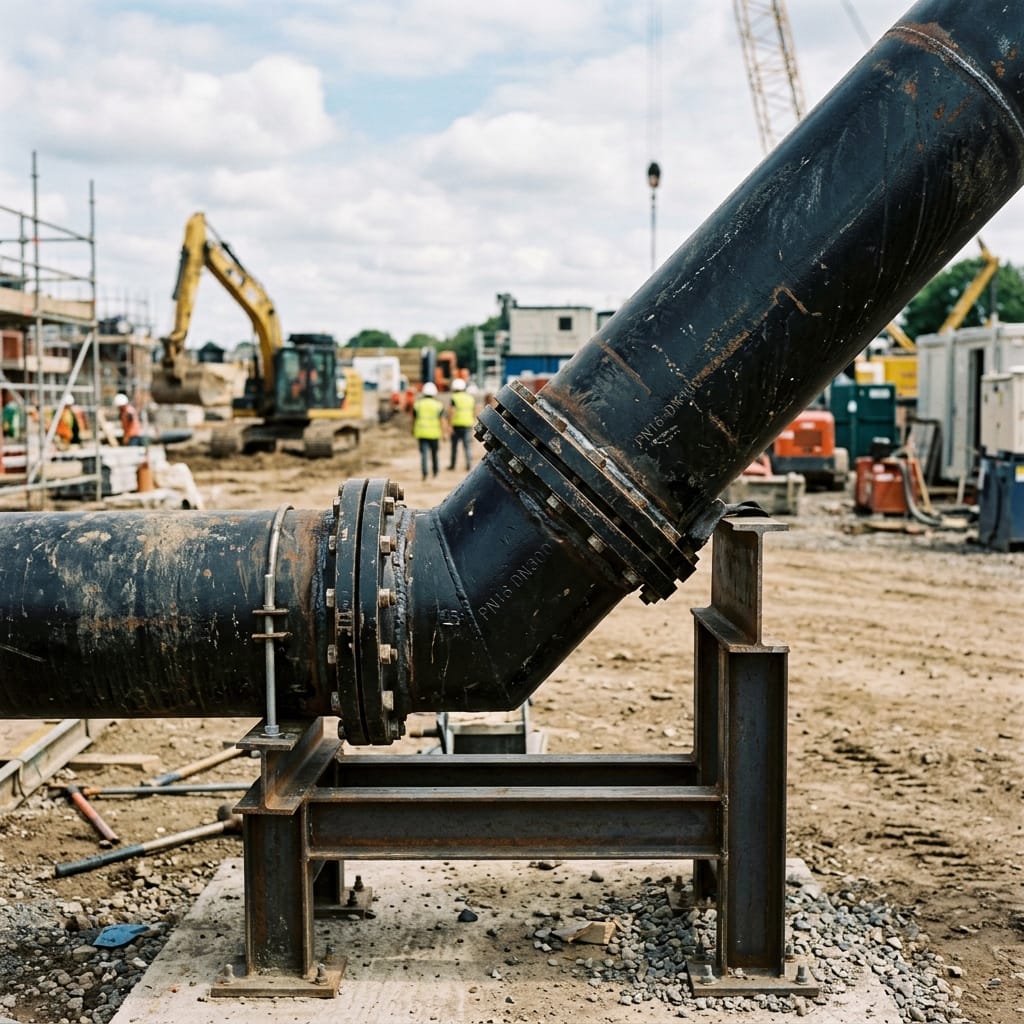
In municipal water distribution, maintaining pressure from the treatment plant to the end consumer is the primary goal. Every sharp turn in a pipeline acts as a choke point. By utilizing 45° elbows instead of 90° elbows whenever possible, engineers can design networks that require significantly less pumping energy. Our HDPE PE100 45° elbows are the standard for underground water mains due to their flexibility, food-grade safety, and ability to withstand shifting soil conditions without joint failure.
Sewerage and Stormwater Drainage
Gravity-fed systems rely entirely on the unobstructed flow of wastewater and stormwater. Sharp bends in sewage lines are highly susceptible to blockages, as solid waste can accumulate at the impact point of a 90° turn. A 45° elbow allows solids to glide smoothly through the directional change. Our large-diameter uPVC and HDPE elbows are specifically designed with smooth internal bores to prevent scaling and ensure a rapid, self-cleaning flow rate, drastically reducing municipal maintenance costs.
Commercial High-Rise Plumbing & HVAC
The plumbing infrastructure of a commercial high-rise or luxury condominium requires materials that can handle high pressure and constant temperature fluctuations. Our PPR 45° elbows are the absolute standard for hot and cold water risers. The thermal insulation properties of PPR prevent condensation on cold water lines and heat loss on hot water lines, while the 45° sweep mitigates the loud “water hammer” effect commonly heard in improperly designed metal plumbing systems.
Industrial Chemical & Mining Pipelines
Industrial processing plants and mining operations frequently transport highly abrasive slurries or aggressive chemicals (such as acids and alkalis). Our thermoplastic 45° elbows excel in these environments. The chemical inertness of HDPE and uPVC ensures the fitting will not dissolve or weaken, while the gentle 45-degree angle significantly reduces the abrasive wear-and-tear on the interior wall of the fitting, extending the lifespan of the pipeline by years compared to sharper bends.
Installation, Handling, and Storage Guidelines
To achieve the advertised 50+ year lifespan of our pipe fittings, proper handling and installation procedures must be strictly followed. The majority of pipeline failures occur at the joints due to improper preparation or execution.
1. Pre-Installation & Storage
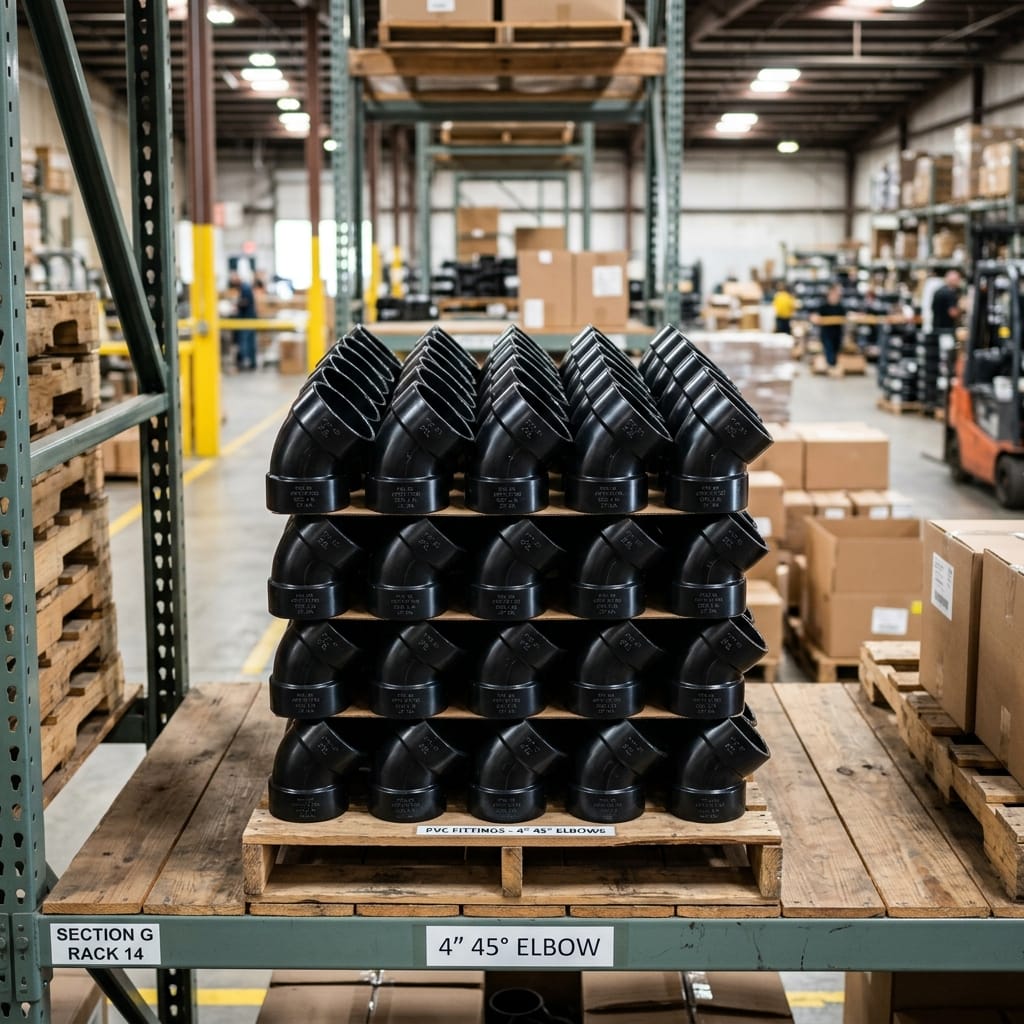
Thermoplastic fittings should be stored in a covered, well-ventilated area away from direct, prolonged exposure to harsh UV sunlight (unless specifically UV-stabilized like our black HDPE). Do not drop or throw fittings, especially in freezing temperatures, as extreme cold can temporarily reduce the impact resistance of certain plastics. Ensure the interior of the elbow is free from dust, dirt, or nesting insects before installation.
2. Pipe Preparation
Regardless of the jointing method, the ends of the pipe must be cut perfectly square (at a 90-degree angle to the pipe axis). Use a specialized pipe cutter rather than a hacksaw. Deburr and chamfer the edges of the pipe to remove any sharp plastic shavings. For solvent cement or socket fusion, mark the insertion depth on the pipe to ensure it seats fully inside the 45° elbow socket without bottoming out too forcefully.
3. Solvent Cementing (uPVC)
Clean the exterior of the pipe and the interior of the elbow socket with an approved PVC cleaner/primer. Apply an even layer of solvent cement to the pipe end, then a thinner layer inside the elbow socket. Immediately push the pipe into the fitting with a slight twisting motion (1/4 turn) until it reaches the bottom of the socket. Hold firmly for at least 30 seconds to prevent the pipe from pushing back out. Wipe away any excess cement. Allow the required curing time before pressure testing.
4. Fusion Welding (HDPE and PPR)
For Butt Fusion (HDPE), ensure the heater plate is clean and at the correct temperature (typically 210°C – 225°C). Face the pipe and elbow ends perfectly flat, apply the correct heating pressure, allow the bead to form, and then join them under steady pressure. Do not disturb the joint until it has completely cooled. For Socket Fusion (PPR), use a calibrated heating tool to melt the outside of the pipe and the inside of the elbow socket simultaneously for the specified time, then immediately insert the pipe straight into the fitting without twisting.
5. Trenching and Backfilling
When installed underground, the trench bottom must be level and free of sharp rocks. Lay the pipe and elbows on a bed of fine sand or compacted granular material. Do not force the pipe to bend to meet the elbow; the alignment must be natural. When backfilling, use fine material for the first 30cm above the pipe and compact it manually to provide side support to the pipe and fittings, preventing deformation under heavy top-loads.
Frequently Asked Questions (FAQ)
Q: Can I connect an HDPE 45° elbow directly to a PVC pipe?
A: You cannot glue or heat-fuse HDPE directly to PVC because they have different molecular structures and melting points. To connect them, you must use a mechanical transition fitting, such as a flanged joint or a specialized mechanical compression coupling designed for dissimilar materials.
Q: Why should I use two 45° elbows instead of one 90° elbow?
A: Using two 45° elbows with a small piece of straight pipe between them creates a “long sweep” bend. This drastically reduces hydraulic friction, lowers the risk of clogging (especially in sewer lines), and minimizes the stress of water hammer, resulting in a safer, more efficient pipeline.
Q: Is PPR safe for hot drinking water?
A: Absolutely. Our PPR fittings are non-toxic, food-grade, and specifically designed for both hot and cold potable water. They can handle continuous operating temperatures up to 70°C and short-term spikes up to 95°C without degrading or leaching harmful chemicals into the water.
Q: Do I need special training to install these fittings?
A: While solvent cementing uPVC is relatively straightforward, thermal fusion welding for HDPE and PPR requires specific training, calibrated equipment, and a strict adherence to temperature and cooling charts to ensure a secure, leak-proof joint. We highly recommend using certified installers for pressurized systems.
Q: Will the black HDPE elbows degrade in the sun?
A: No. Our black HDPE pipes and fittings are compounded with highly dispersed carbon black during the manufacturing process. This acts as a permanent UV stabilizer, allowing them to be stored and installed above ground in direct sunlight for decades without becoming brittle.