
Industrial Gate Valve
Premium quality brass and cast iron gate valves for reliable flow control in industrial and commercial piping systems.
Product Overview
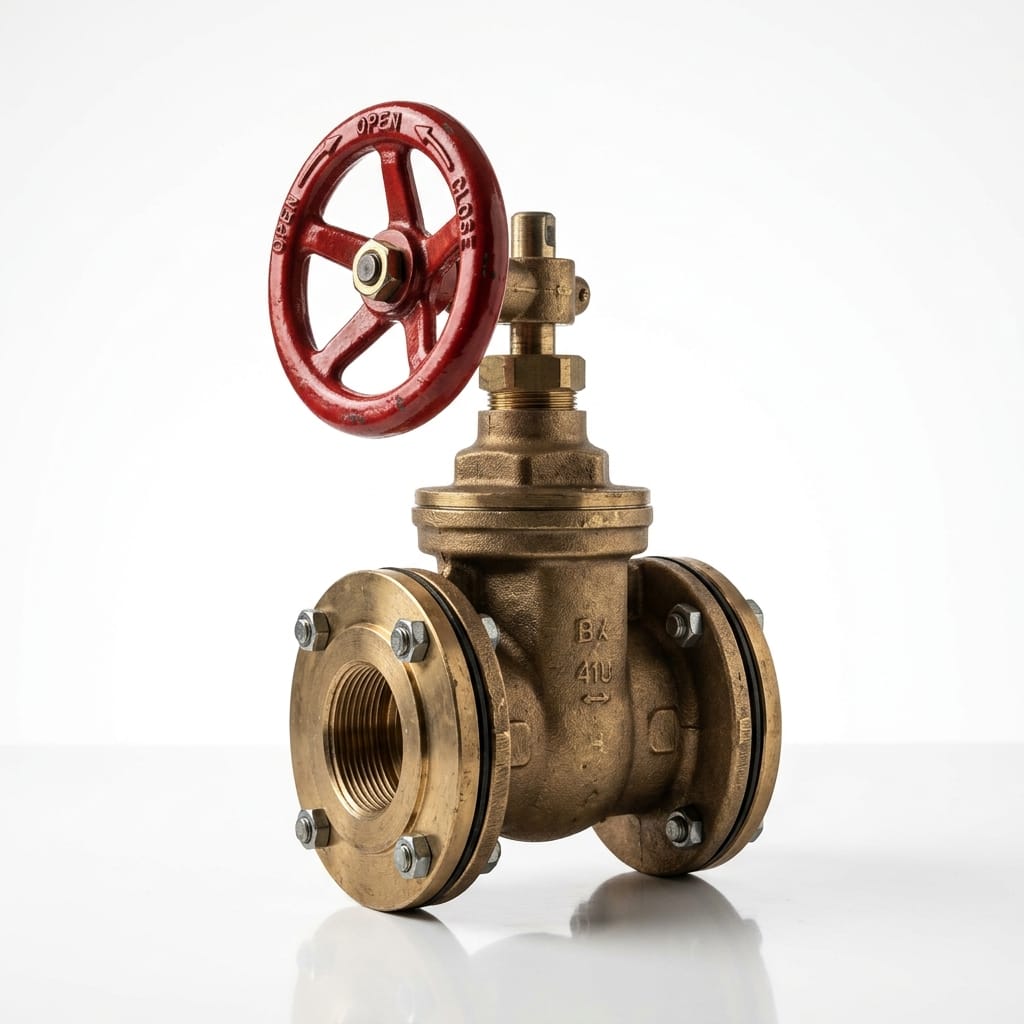
At 5Dragon Construction Corp, we understand that fluid control is the critical heartbeat of any industrial or commercial facility. Our Industrial Gate Valves represent the pinnacle of engineering precision, designed to provide a bubble-tight seal, exceptional durability, and uncompromising reliable flow control across a vast array of liquid and gas applications. Manufactured utilizing premium-grade materials—including forged brass, ductile iron, and cast iron—these valves are built to endure the most demanding operational environments imaginable, offering unparalleled resistance against severe mechanical stress and corrosive elements.
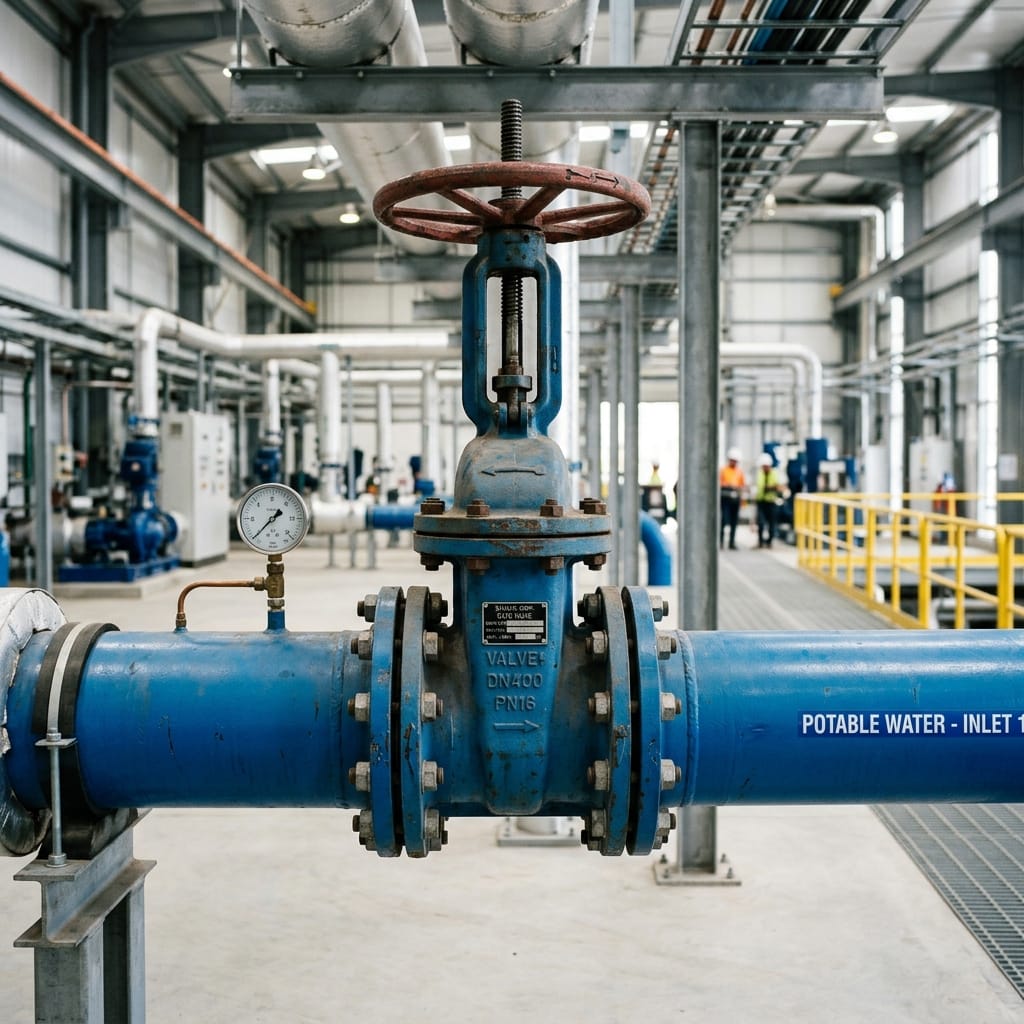
Gate valves are uniquely characterized by their internal sliding mechanism (the “gate” or “wedge”), which operates perpendicularly to the direction of the fluid flow. The core advantage of our non-rising stem and solid wedge design is that it ensures absolutely smooth operation and guarantees minimal pressure drop when the valve is in the fully open position. Unlike globe valves or butterfly valves, a fully retracted gate valve leaves the pipeline entirely unobstructed, preventing energy loss, reducing turbulence, and ensuring maximum hydraulic efficiency. These valves are perfectly suited for municipal water distribution networks, high-rise building HVAC systems, large-scale irrigation, and heavy industrial chemical processing plants.
Technical Specifications
| Material Options | Forged Brass (C37700), Cast Iron (GG25), Ductile Iron (GGG50) |
|---|---|
| Size Range | 1/2″ to 12″ (DN15 – DN300) – Custom sizes available upon request |
| Working Pressure Ratings | PN10, PN16, PN25 (150 PSI – 360 PSI) |
| Connection Type | Threaded (NPT/BSP) or Flanged (EN1092-2, ANSI B16.1) |
| Working Temperature | -10°C to 120°C (Standard EPDM/NBR Sealing), Up to 200°C (PTFE/Metal Sealing) |
| Coating/Finish | Fusion Bonded Epoxy (FBE) Coating (Min 250 microns) for Iron models |
| Applications | Potable Water, Wastewater, Oil, Natural Gas, HVAC, Industrial Fluids |
Key Advantages & Features
- Zero Pressure Drop: Because the gate completely retracts into the valve bonnet, the internal flow path is 100% unobstructed. This means there is virtually no friction loss, leading to massive energy savings for pumping stations over the lifespan of the system.
- Durable, Heavy-Duty Construction: The valve bodies are cast or forged using highly resilient metals. Our ductile iron variants offer tensile strength comparable to steel, easily handling water hammer effects, sudden pressure surges, and accidental mechanical impacts.
- Bubble-Tight Sealing Technology: Equipped with precision-machined solid or flexible wedges, combined with resilient EPDM or NBR rubber encapsulation, our gate valves guarantee a 100% leak-proof shutoff. This eliminates the risk of cross-contamination or pressure loss in critical sections of your pipeline.
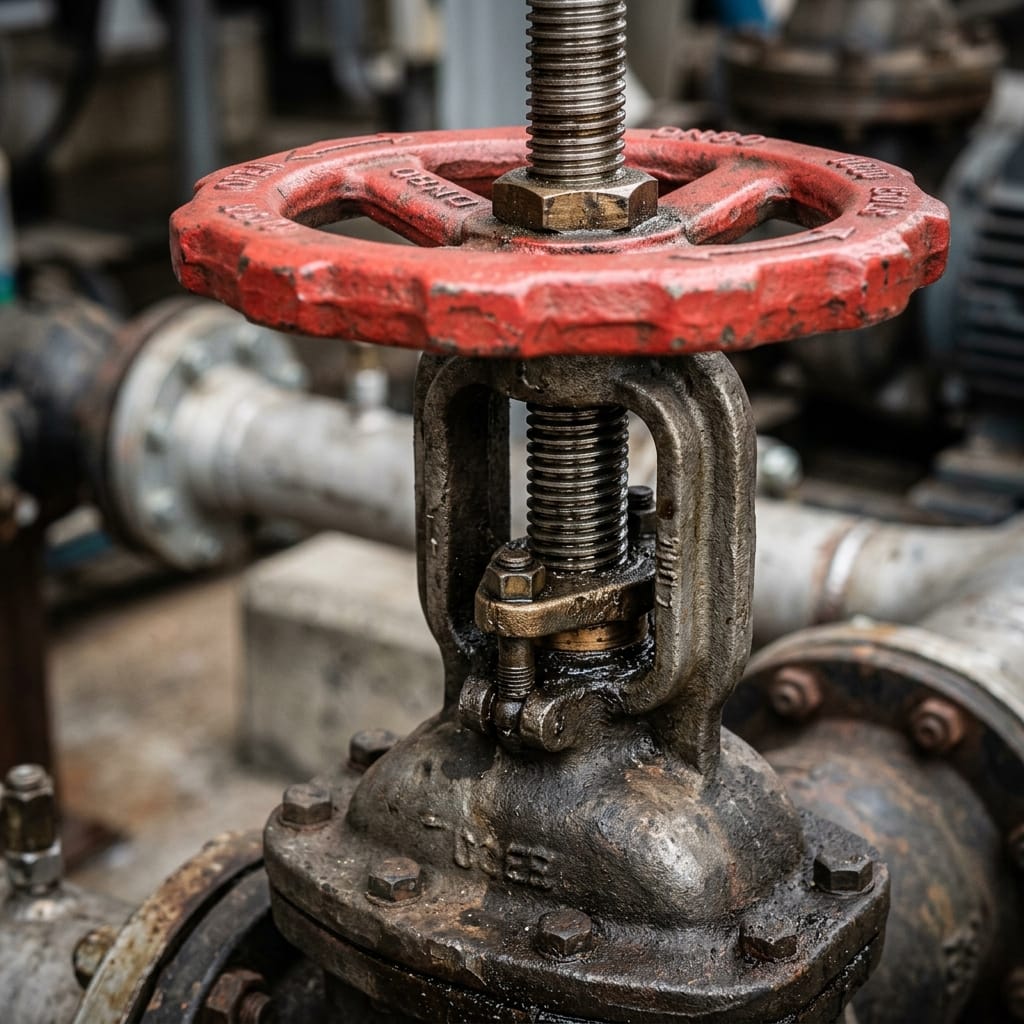
- Ergonomic & Low-Torque Operation: The precisely threaded non-rising stem combined with a robust cast-iron or aluminum handwheel ensures that the valve can be operated smoothly and safely by a single operator, even when the line is fully pressurized.
- Anti-Corrosion FBE Coating: All our cast and ductile iron gate valves are electrostatically coated inside and out with Fusion Bonded Epoxy (FBE). This non-toxic coating provides an impenetrable barrier against rust and scale, making it entirely safe for drinking water applications.
Detailed Applications & Industry Use Cases
The versatility and robustness of 5Dragon Industrial Gate Valves make them the premier choice across a multitude of sectors. The fundamental design of a gate valve dictates that it should be used primarily for on/off (isolation) service rather than flow throttling. When utilized correctly, they form the backbone of safety and maintenance protocols in large-scale piping infrastructure.
Municipal Water Distribution and Treatment
In municipal water systems, reliability is not optional—it is a public health necessity. Our resilient seated ductile iron gate valves are deployed extensively in underground water mains, pump stations, and water treatment facilities. The Fusion Bonded Epoxy (FBE) coating ensures that the water remains uncontaminated by rust, while the resilient EPDM wedge provides a perfect seal even if small debris like sand or pebbles are trapped in the pipeline. Because they offer an unobstructed flow path, they allow municipalities to run cleaning “pigs” through the pipes without having to dismantle the valves.
Commercial High-Rise HVAC & Plumbing
Modern high-rise buildings rely on incredibly complex HVAC (Heating, Ventilation, and Air Conditioning) and plumbing networks to maintain habitable environments. Our forged brass gate valves (in smaller diameters) and flanged cast iron valves (in larger diameters) are routinely installed in chiller lines, boiler systems, and domestic water risers. They serve as critical isolation points, allowing maintenance teams to shut off specific floors, zones, or individual pieces of equipment for repair without draining the entire building’s system. Their high temperature and pressure ratings make them uniquely suited to handle the demanding conditions of commercial boiler networks.
Industrial Chemical Processing & Petrochemical
Industrial manufacturing plants often deal with aggressive fluids, high temperatures, and dangerous pressures. In these environments, valve failure can lead to catastrophic downtime or severe safety hazards. 5Dragon offers specialized gate valves with PTFE (Teflon) seating or metal-to-metal seating designed specifically to withstand abrasive chemicals, oils, and high-temperature steam. The solid wedge design ensures that intense thermal expansion does not cause the valve to bind or jam, guaranteeing safe operation during emergency shutdowns.
Agricultural Irrigation Systems
Large-scale farming operations require massive volumes of water to be transported over vast distances efficiently. The zero-pressure-drop characteristic of our gate valves is highly prized in agricultural irrigation, as it minimizes the electricity required to pump water from reservoirs to the fields. Whether installed at the main reservoir output or as sectional isolation valves across the farmland, they withstand the harsh outdoor elements and UV exposure flawlessly.
Installation, Handling, and Storage Guidelines
To ensure the longevity and flawless operation of your 5Dragon Gate Valves, strict adherence to proper installation and maintenance protocols is required. While our products are built to withstand immense abuse, correct handling during the construction phase prevents 99% of future operational issues.
1. Pre-Installation Inspection & Storage
Upon receiving the valves on the job site, immediately inspect them for any transit damage. Check the flange faces for scratches and ensure the handwheel operates smoothly. If the valves are not to be installed immediately, they must be stored in a clean, dry environment, preferably indoors. Do not expose resilient seated valves (with rubber components) to direct sunlight for extended periods, as UV radiation can prematurely degrade the EPDM/NBR rubber. Always store the valve in the fully closed position to protect the internal wedge and seating surfaces from dust, dirt, and mechanical damage.
2. Pipeline Preparation & Alignment
Before installing the valve, the pipeline must be thoroughly flushed to remove all construction debris, welding slag, rocks, or dirt. A gate valve is not a filter; large debris caught under the wedge during closure is the primary cause of leakage. Ensure that the adjoining pipes are perfectly aligned. The valve should never be used to “pull” misaligned pipes together, as this places severe bending stress on the valve body and flanges, potentially leading to microscopic fractures or gasket failure.
3. Flange Bolting Procedure
When installing flanged gate valves, use the correct size and grade of bolts. Insert a high-quality, appropriately sized gasket between the valve flange and the pipe flange. Tighten the bolts in a “star” or crisscross pattern to ensure even pressure distribution across the gasket. Do not over-tighten the bolts on one side before moving to the other, as this can pinch the gasket or crack cast iron flanges. Use a torque wrench and adhere to the recommended torque specifications for the specific flange size.
4. Threaded Valve Installation (Brass/Bronze)
For smaller threaded brass gate valves, apply a high-quality PTFE thread seal tape or approved pipe dope to the male threads of the connecting pipe. Do not apply sealant to the female threads of the valve itself, as excess sealant can be pushed into the valve body and foul the seating mechanism. Use a properly sized wrench on the hexagonal end of the valve *closest* to the pipe being attached. Never grip the valve body or the opposite end, as the torque can warp the internal components.
5. Operational Best Practices
Gate valves are strictly designed for fully open or fully closed (isolation) operations. Never use a gate valve to throttle or regulate flow. Leaving the gate partially open will subject the bottom edge of the wedge to high-velocity fluid flow, causing severe vibration, chatter, and rapid erosion of the sealing surface (wire drawing). When opening or closing the valve, do not use excessive force or “cheater bars” on the handwheel. If the valve is difficult to turn, it indicates a problem (such as debris or a bent stem) that requires maintenance, not more force.
Frequently Asked Questions (FAQ)
Q: What is the difference between a rising stem and a non-rising stem gate valve?
A: In a rising stem valve, the stem moves upward as the valve opens, providing a clear visual indicator of the valve’s position. However, it requires more vertical clearance. A non-rising stem valve (like the majority of our standard models) turns in place without moving upward. The wedge travels up and down the internal threads of the stem. Non-rising stem valves are ideal for underground installations or tight spaces where vertical clearance is limited.
Q: Can I use this gate valve to control the water pressure in my building?
A: No. Gate valves should never be used for throttling or regulating pressure. They must be operated in the fully open or fully closed position. Using them partially open will cause vibration and permanently damage the wedge. For pressure regulation, you should use a pressure reducing valve (PRV) or a globe valve.
Q: How often do these valves need to be maintained?
A: Under normal operating conditions in clean water systems, 5Dragon gate valves require virtually zero maintenance for decades. However, we recommend fully cycling the valve (closing and opening it completely) at least once every 6 to 12 months to prevent mineral buildup on the stem threads and to ensure the rubber wedge remains pliable.
Q: What does PN16 mean?
A: PN stands for “Pressure Nominal.” PN16 indicates that the valve is designed and tested to safely handle a maximum continuous working pressure of 16 bar (approximately 232 PSI) at standard ambient temperatures.
Q: Are your gate valves suitable for drinking water (potable water) systems?
A: Yes. Our ductile iron gate valves feature EPDM resilient wedges and Fusion Bonded Epoxy (FBE) coatings that are non-toxic, WRAS/NSF certified, and completely safe for use in municipal potable water distribution networks.